

I felt like I was kinda tossed into the deep end when I accepted the role of Director of Marketing Operations (DMO) for the Integrated Marketing Communications class. I was nervous and excited and glad to look around and see people I trusted who I would be working together with as the Executive Team. But, as some people know, I was never a Product Manager (PM)—I was directly promoted from Content Creator to DMO, which left me with a fairly significant knowledge gap of the managerial innerworkings of the program. As the person meant to set up and lead the processes, it was intimidating, but I figured it out. Here’s what I learned.
What is a Director of Marketing Operations?
A Director of Marketing Operations is the person in charge of bridging the gap between the strategic vision and its practical execution. The role requires attention to detail and the ability to see the broader picture. DMOs are the architects who construct the framework within which creative and analytical processes can flourish. Much of the time, this means ensuring the media production process is being adhered to, overseeing the use of different marketing technology tools and platforms, and removing blockers for your team that might derail them from the execution of their products.
You’re the Spearhead
Being part of the Executive Team means that you need to constantly be ahead of the Product Managers below you, anticipating their needs and laying the groundwork for success. You can no longer afford to just be reactive to problems (though you’ll often be put in that situation). You need to know everything that’s going on so that you can give ample lead time to the PMs and their Content Creator teams for their execution. So how do you do that?
Know Your Goals and Priorities for the Quarter
The first step in planning ahead is to understand the client’s goals and priorities. Asking questions like the following can help you align your strategic direction and focus on what matters most so that you can fit it all within the calendar.
- What are the short-term and long-term objectives?
- What are the key projects and initiatives?
- What are the main challenges and opportunities?
By doing this, you can proactively identify conflicts, gaps, and overlaps in the schedule and resolve them before they become major issues. Planning ahead necessitates thinking ahead which can be difficult to do if you’re not used to it but it’s a mindset shift.
Communicate Clearly and Regularly
As the intermediary between your client and the PMs, you need to become a master communicator as if you fail to communicate clearly and in a timely manner, you will get even more questions sent your way. By communicating regularly and clearly, you can build trust and rapport with both your client and your PMs and tailor your strategy to get the most out of and for them. This means not only updating them, but also doing Sprint Reviews with them so that constructive feedback can improve both the product and process of their workflow.
Anticipate Changes and Contingencies
Being aware of possible blockers to success that your team may encounter allows you set up reference guides and create a back up plan in case things don’t work out as intended. This means providing them with the necessary information and resources that they need to perform well and achieve their desired outcomes in planning, execution, and reflection. It also means reminding them of the key points, objectives, and action items that they need to address or follow up on.
It involves being agile and adapting to changing needs, ready to help them as much as possible. While external delays may be inevitable, limiting internal delays and finding ways to get around or solve external delays can help keep you on track for success.
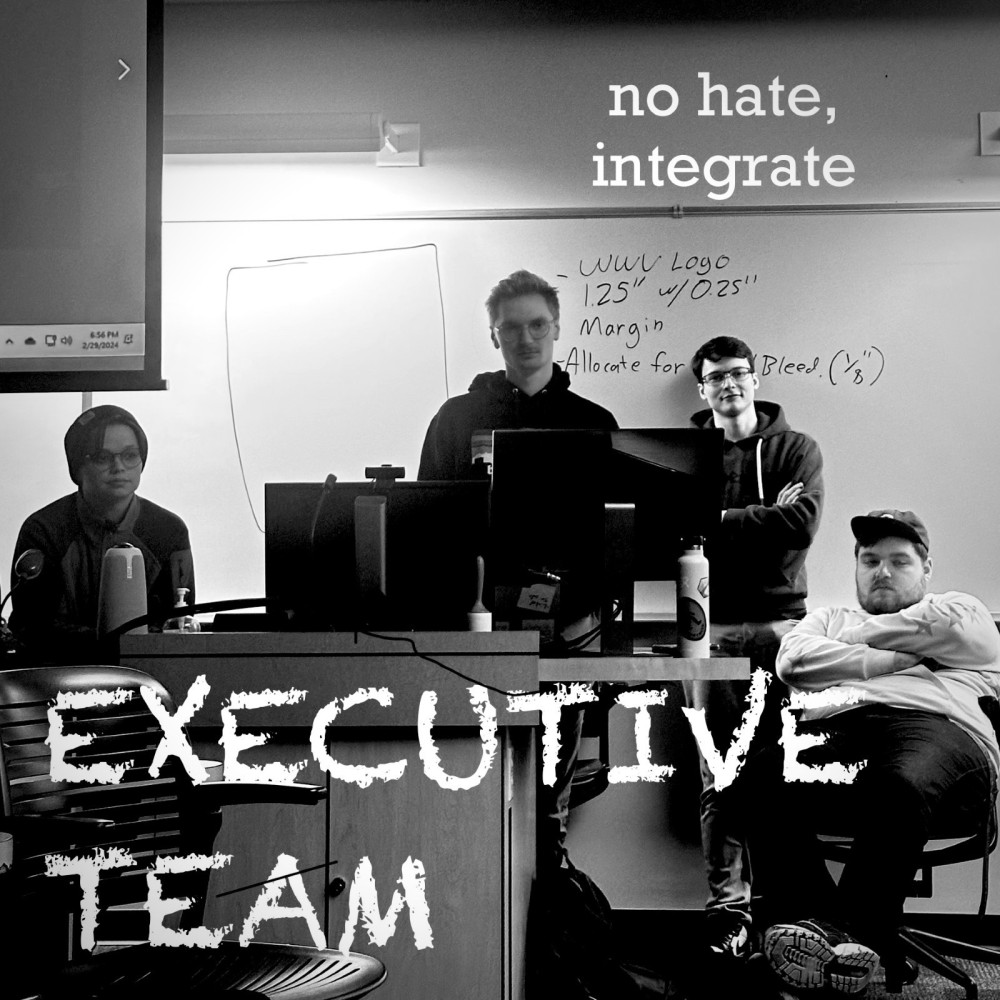
You’re a Team
Being effective in leadership means getting on the same page with the rest of the executives. While good leaders understand that their success depends on the success of the people they’re leading, great leaders understand that success is the result of fostering a culture of collaboration, empowerment, and continuous improvement. It’s about the process! They recognize that fostering a sense of purpose, inspiring creativity, coaching independence, and cultivating strong relationships within the team are equally crucial components of effective leadership. Ultimately, great leaders prioritize both the short-term objectives and the long-term development and well-being of their team members, striving to create a legacy of positive impact and growth.
Integrating Marketing Operations with Other Executive Roles
You will be the lead for all things related to process, but the DMO’s role overlaps quite a bit with both the Director of Marketing Analytics’ (DMA’s) role and the Creative Director’s (CD’s) role. DMOs should not exist in a silo; instead, they should function as a hub, facilitating dialogue and cooperation across the organization. Regular Executive Team check-ins, a shared Kanban board, and sprint planning meetings can help define how these roles can integrate with each other and build off the other’s knowledge and strengths.
By building a teamwork-oriented culture, support and collaboration extend beyond formal meetings and product teams. It’s about creating a work environment where team members are genuinely invested in each other’s success and willing to lend a hand when needed.
Teamwork from Top to Bottom
Teamwork isn’t just about helping one another with tasks—it’s about establishing a clear and unified vision for your team, from top to bottom, to achieve. This vision should resonate with every member from the brand-new Content Creators to the PMs to the Executive Team. Leadership is necessary in communicating this vision, setting expectations, and modeling the culture, in terms of values and behaviors, that they want their team to have.
This also involves coaching by guidance rather than telling people what to do. In telling people the answer, you help them once. By asking them critical questions, you teach them how to think within a framework. Learning how to mold people into independent individual contributors that are also able work within a team is the best way to build a strong team.
Breaking Down Silos
When you have a bunch of teams under you focused on their own work, operating independently of each other, it leads to disjointed marketing efforts, duplication of effort and products, and missed opportunities for cross-promotions. Providing opportunities, such as a Client Pitch Event, for teams to see each other’s work and ideas can help stimulate more communication between teams. The PMs are vital to this as they serve as a bridge between the Executives, other team’s PMs, and their own team of Content Creators.
But rank silos are also difficult to break down. Sometimes, having too much information about what is going on in the background can overwhelm those who are more focused on the day-to-day executables. Being judicious with what information filters through to the team while remaining as transparent as possible requires understanding what is pertinent to their current actions and what is important for them to know so that they can also plan for the future.
It’s Always Your Fault
For better or for worse, your team’s successes and failures can be drawn directly back to you. Being able to acknowledge and take accountability for any errors is the first step in staying agile and creating a culture of continuous improvement. Instead of pointing fingers or shifting blame, try to understand how the process to success broke down and fix it. And being able to provide constructive feedback in a timely and respectful manner as a leader, focusing on specific behaviors or outcomes rather than personal attributes, it gives your PMs the insight they need to improve.
While accountability emphasizes individual responsibility, it is essential to recognize that accountability is also a team effort. By fostering trust, transparency, and mutual respect, teams can hold each other accountable and work together towards shared goals. But that culture starts with you. When leaders take ownership of their responsibilities and hold themselves accountable, it sets a positive example for the rest of the team to follow.
You’ll Never Stop Learning
I’ve personally made countless mistakes as a manager of people. Many of them before I ever had a good manager to model my behavior off or had any real book learnin’ on what makes a good manager, but I learned many of these lessons the hard way. And I’ll continue to do so in the future too, I’m sure. But what separates a good leader from the others is the constant drive to do and be better. Cultivate a growth mindset—be thirsty for knowledge and get comfortable being uncomfortable.
Being a DMO practicing agile processes means that things are always shifting and changing and sometimes trying to stay ahead of it all and be overwhelming, but it’s always worth it when you see your team succeed. Sure, you’ll get a few more gray hairs stressing over how best to help everyone in your charge, but that makes their successes—and hence your successes—all the better.

 Kaitlin Simpson